Modern Arabic: A Living Evolution Across Every Field.
Modern Arabic is not merely an extension of Classical Arabic—it is a living entity that breathes through every corner of contemporary life. It has evolved to keep pace with cultural, scientific, and technological transformations, all while preserving its deep historical roots and identity.
📚 In Education and Knowledge
Modern Arabic has become a flexible language in educational curricula, combining scientific precision with expressive clarity. It is used to explain complex concepts in physics and mathematics, as well as to teach life skills and communication. Arab universities now produce advanced academic content in Arabic, strengthening its presence in research.
🖥️ In Technology and Digitalization
Modern Arabic has entered the worlds of programming, artificial intelligence, and app design. User interfaces, voice assistants, and digital content now rely on simplified, clear Arabic that enhances user experience. Even technical terms, once imported, are now Arabized and rephrased in a modern Arabic style.
📰 In Media and Journalism
Today’s Arabic journalism speaks in a language that balances formality with clarity. News, articles, and reports are written in a modern style that ensures quick understanding without sacrificing depth. Digital media—from social platforms to podcasts—relies on flexible Arabic capable of expressing opinion, analysis, and humor.
🎭 In Art and Culture
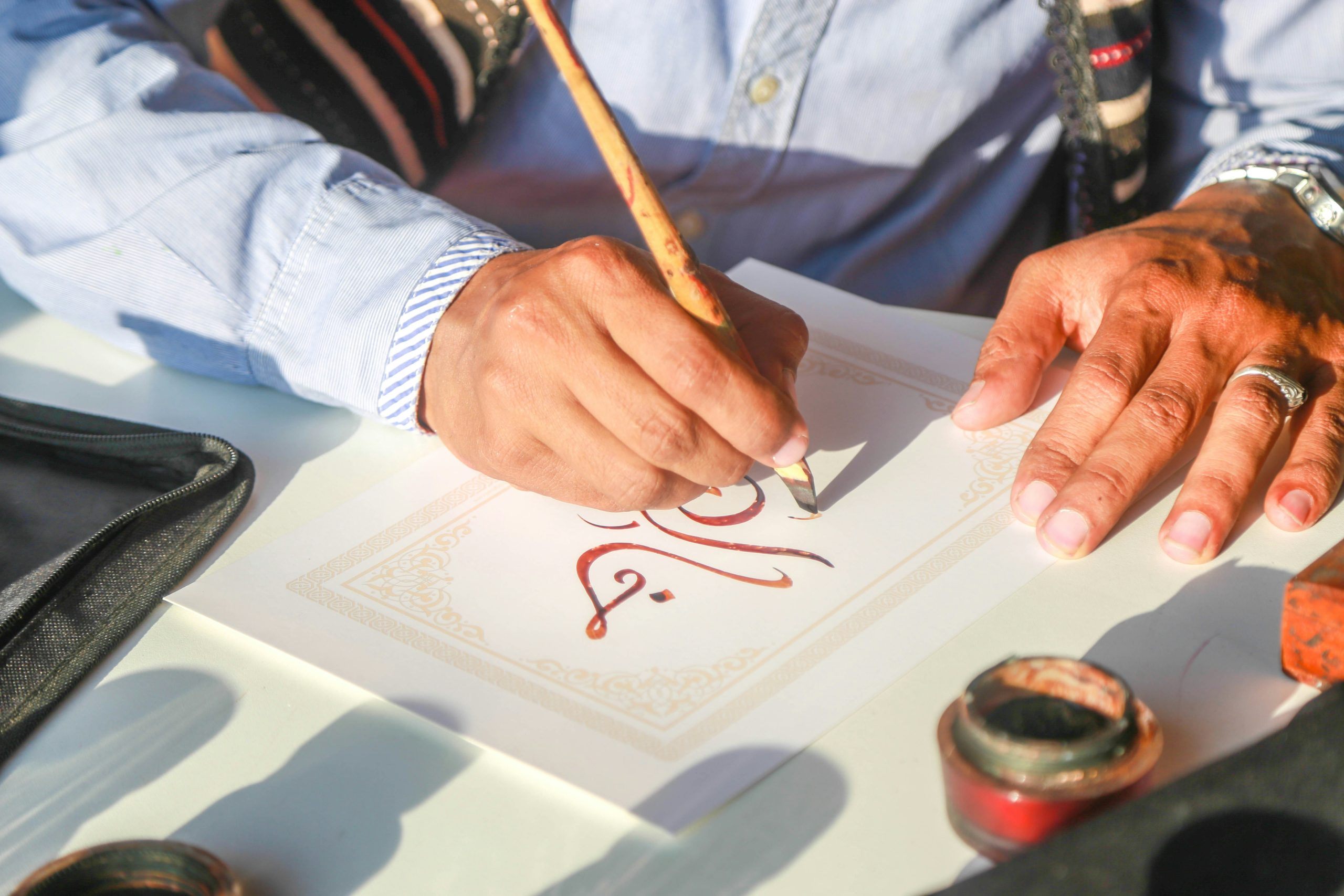
Songs, plays, and modern Arabic films use language that resonates with people while retaining expressive beauty. Contemporary poetry, novels, and short stories are now written in a blend of Classical and Modern Arabic, striking a balance between creativity and realism.
🏛️ In Administration and Law
Modern Arabic has entered official documents, contracts, and administrative correspondence. It has become clearer and less complex, facilitating understanding and promoting transparency. Even in legislation, there is a trend toward simplifying language without compromising legal precision.
🌍 In Global Communication
Modern Arabic has become a tool for communication between Arabs and non-Arabs, especially in tourism, commerce, and diplomacy. It is used in real-time translation, conferences, and global-facing content, making it a bridge between cultures.
In Summary:
Modern Arabic is not a substitute for Classical Arabic—it is a living extension that reshapes itself to suit the times. It evolves without surrendering, renews without disconnecting, and proves day by day that it can embrace every field, every idea, and every dream.